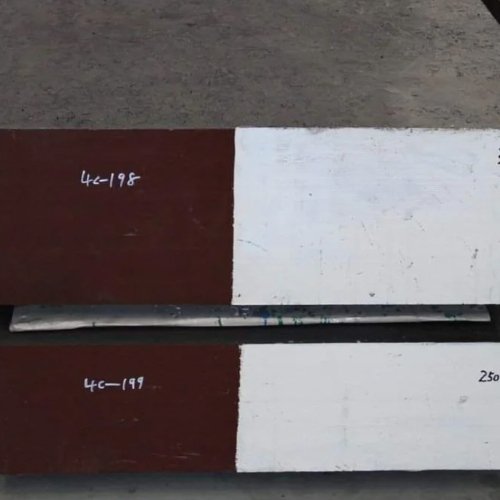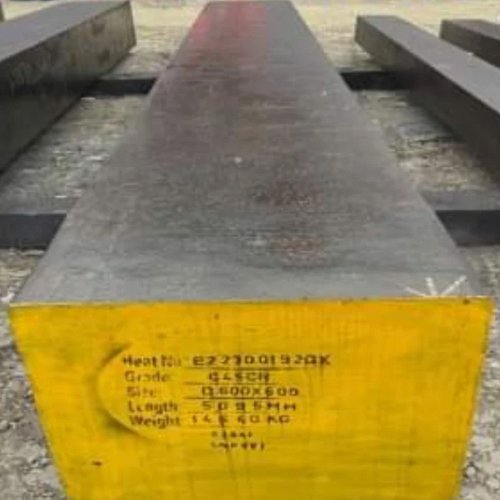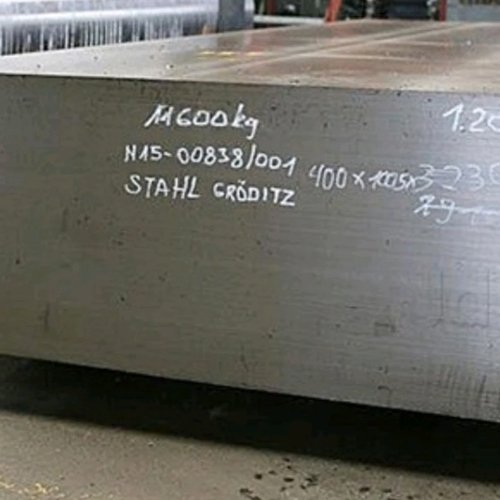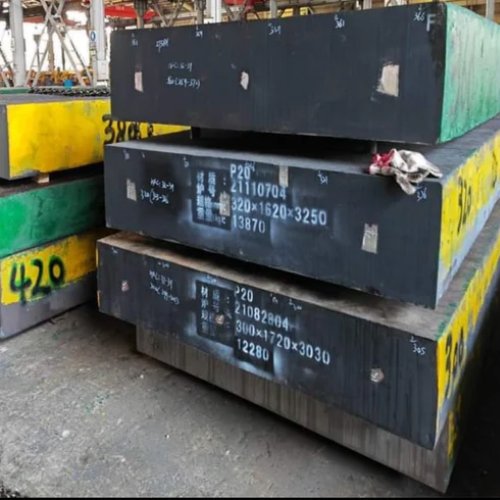
Bhagwati Enterprise, Established in 1992 at Vadodara in Gujarat, is a leading Exporter,Importer,Distributor,Supplier,Trading Company of Die Steel in India. Bhagwati Enterprise is one of the Verified and trusted Sellers of listed Products. With Extensive Experience in Supplying and Trading Die Steel, Die Square Die Block, Round bar, Bhagwati Enterprise has made a Reputed Name for itself in the Market with high-Quality Die Steel etc.
Bhagwati Enterprise is a leading Supplier of Die Steel, Tool Steel Supply in Vadodara, Ankleshwar, Mumbai, Surat, Vapi, Hyderabad, Indore, Nagpur, Rajkot, Ahmedabad, Pune, and other major cities in India. We are Manufacturers of Die Steel, Tool Steel in India. We are India’s leading Stockists & Suppliers of Die Steel . Bhagwati Enterprise Supplies products in different cities in India.
Send Inquiry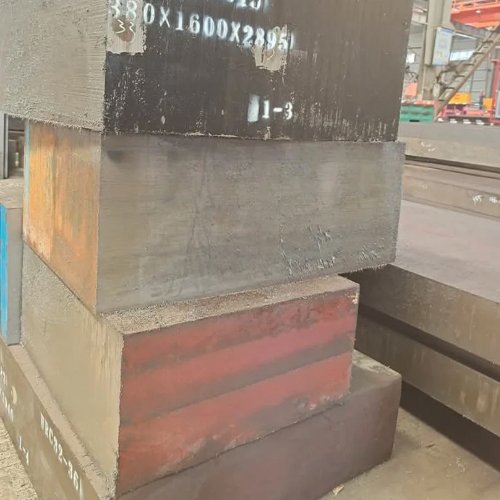
Die steel is engineered to withstand extreme pressure and mechanical stress, making it ideal for high-performance industrial applications.
Its superior hardness ensures long-lasting resistance to abrasion and surface wear, even under continuous operation.
Maintains accuracy and shape under high temperatures and loads, ensuring precision in critical components.
Die steel can endure repeated heating and cooling cycles without losing its structural integrity — perfect for hot working tools.
Designed to absorb shock and resist chipping or cracking, crucial for heavy-duty machinery operations.
Despite its hardness, die steel can be machined and polished to precise finishes, allowing for efficient manufacturing and customization.
| Material Grade | H13 |
|---|---|
| Usage/Application | Automobile Industry |
| Shape | Rectangular |
| Grade | H13 |
| Material | P20 Mold Steel |
| Thickness | 25mm To 300mmth |
| Hardness | 28-32 HRC |
| Surface Condition | Capable of achieving a high-quality surface finish, which is essential for producing high-precision |
Die steel is widely used in industrial machinery due to its exceptional hardness, strength, and resistance to wear and heat.
Used in the manufacturing of dies and molds for injection molding, forging, and die-casting.
Ideal for cutting tools, shear blades, punches, and press tools due to its hardness and wear resistance.
Applied in metal forming tools such as bending, stamping, and shaping components.
Used in extrusion dies for shaping aluminum, plastics, and other materials.